Garden Makeovers in Islington
If you are looking at your outdoor space and thinking it could work much better for your home or business, garden makeovers in Islington can make a real difference. Whether you have a compact courtyard, a shared rear garden, a paved terrace, or a small commercial outdoor area, the right improvements can turn an underused space into somewhere practical, attractive, and easier to enjoy every day.
In Islington, garden spaces come in all shapes and sizes. Many properties have narrow plots, basement access, raised levels, older boundary walls, and limited storage space, which means a makeover needs to be carefully planned. A good local service is not just about planting a few shrubs. It is about understanding how the space is used, what will thrive in the light and soil conditions, how to manage access, and how to create a finish that suits the property and the people using it.
From front gardens in period terraces to private rear spaces, roof terraces, small business courtyards, and communal residential gardens, a well-planned garden transformation can improve kerb appeal, increase usability, and make maintenance more manageable. If you are ready to refresh your outside space, this page explains what a local garden makeover can include, how the work is planned, what affects the cost, and why choosing a team familiar with Islington is such an advantage.
Why Garden Makeovers Matter in Islington

Outdoor space is valuable anywhere in London, but in Islington it often needs to do more than one job. A garden might need to be somewhere for family use, a quiet place to relax, an area for entertaining, a safe space for children, or a low-maintenance setting that still looks welcoming throughout the year. For businesses, the same space may need to support customers, staff breaks, outdoor dining, or a professional first impression.
Many local gardens have been altered over time in piecemeal ways. Old paving may be uneven, planting beds may be overgrown, fences may have deteriorated, and drainage may not work properly. A thoughtful makeover addresses those issues rather than simply covering them up. It creates a better layout, improves movement through the space, and helps each part of the garden serve a clear purpose.
For homeowners, this can mean making better use of every square metre. For landlords and managing agents, it can mean improving the appearance and practicality of the property without making maintenance unreasonably difficult. For commercial customers, it can support a cleaner, more professional setting that reflects the business properly.
What a Garden Makeover Can Include

A garden makeover is not a single fixed package. It should be shaped around the space, the condition of the garden, and the way you want to use it. Some clients want a light refresh; others need a full redesign. In many cases, the best result comes from combining practical improvements with design changes.
Typical elements of garden makeovers in Islington may include:
- Clearing away overgrowth, waste, and old materials
- Pruning or removing tired shrubs and small trees
- Replacing broken or worn paving and edging
- Installing new turf, artificial grass, or planted areas
- Creating raised beds, planters, or border redesigns
- Improving fencing, screening, or boundary definition
- Updating gravel areas, pathways, and access routes
- Adding features such as seating zones or decorative finishes
- Refreshing soil, mulch, and planting structure
- Improving drainage and water movement where needed
Not every garden needs everything. A smaller Islington yard may only need a cleaner layout, better paving, and some smart planting. A larger shared garden may need a full rework of hard landscaping, planting, and circulation routes. The key is to make sure the finished space looks intentional rather than crowded or improvised.
Designed for the Real Conditions of Islington Properties

Local gardens in Islington often present very specific challenges. A property near Angel may have a narrow rear space with restricted access, while a home close to Highbury or Canonbury may have mature planting that needs careful reshaping rather than removal. Victorian and Georgian homes often come with long gardens, original brickwork, and level changes that must be handled properly. Newer flats and developments may include balconies, terraces, or communal areas that need a lighter but still thoughtful approach.
Access and parking are also important. In many parts of Islington, it is not easy to bring equipment directly to the garden or park close by for long periods. A local team understands how to plan around this, work efficiently, and minimise disruption for neighbours and residents. That kind of practical experience matters when materials, tools, and waste all need to be managed in a busy urban area.
Another common issue is shade. Tall neighbouring buildings, boundary walls, and mature trees can all limit sunlight. A garden makeover should take this into account from the start so that plant choices, seating positions, and finishes suit the actual conditions. Choosing the right plants for sun, partial shade, or deeper shade can make a major difference to how successful the garden is over time.
Front Gardens, Rear Gardens, Courtyards, and Roof Spaces
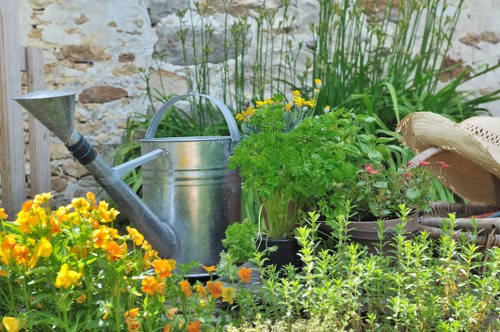
Different spaces need different solutions. A front garden in Islington often needs to be attractive, tidy, and easy to maintain, while a rear garden may need to feel more private and functional. Courtyards and small side areas often benefit from clever use of levels, hard landscaping, and containers. Roof terraces and upper-level outdoor spaces may need lighter materials, wind-aware planting, and durable finishes that are suitable for exposed conditions.
Some of the most popular requests include:
- Courtyard garden makeovers for compact urban homes
- Townhouse garden redesigns for period properties
- Low-maintenance outdoor updates for busy households
- Communal garden improvements for shared residential blocks
- Commercial outdoor refreshes for hospitality and office settings
Each of these spaces calls for a different balance of design and practicality. For example, a family garden may need durable lawn options and safe circulation routes, while a café courtyard may need easy-clean surfaces and planting that still looks good with regular foot traffic. A local team can help shape the makeover around those real needs instead of applying the same approach to every property.
What Is Included in a Professional Garden Refresh

When people enquire about garden makeovers in Islington, they often want to know what is actually included. The answer depends on the scope of the project, but a professional service usually starts with assessing the condition of the space and understanding what you want to change. From there, the work can be planned in a clear and practical way.
A typical service may involve:
- Initial assessment of the garden layout, condition, and access
- Discussion of priorities such as maintenance, aesthetics, privacy, or family use
- Clear planning of what will be removed, retained, repaired, or added
- Preparation work including clearing, levelling, and waste removal
- Hard landscaping such as paving, edging, or structural improvements
- Soft landscaping such as planting, turfing, mulching, and border renewal
- Finishing touches that improve overall appearance and usability
This kind of structured approach helps avoid wasted effort and ensures the outcome fits the property. It also makes it easier to keep the work organised, especially where access is tight or work has to be scheduled around residents, neighbours, or business hours.
How the Process Usually Works
Most successful projects follow a sensible sequence. First comes the conversation about what is not working in the current garden and what you would like from the new space. Then the layout and practical constraints are reviewed, including access, drainage, surface conditions, sunlight, and any existing features worth keeping. Once the plan is agreed, the work can be carried out with a clear order of operations.
The first stage is often clearance. This may involve removing overgrown planting, old containers, unwanted debris, damaged timber, or tired hard landscaping. Clearing the space reveals the real structure of the garden and shows what can be repaired, reshaped, or replaced. In many cases, this stage alone can dramatically improve how the garden feels.
Next comes the preparation and rebuilding phase. That may include levelling ground, improving soil, installing new borders, replacing paving, or creating planting beds. A good makeover does not just improve the surface appearance. It should create a stronger base for long-term use so the garden remains practical after the work is finished.
Once the major work is complete, planting and finishing details bring the garden to life. This can include selecting shrubs, perennials, grasses, climbers, or seasonal plants that suit the local conditions. In a busy urban environment like Islington, many clients want a garden that looks good without demanding too much upkeep, so the final planting plan should reflect that.
Low-Maintenance Options for Busy Households
One of the most common requests in Islington is for a garden that looks attractive but does not require constant attention. This is especially important for people who travel often, work long hours, have young families, or simply prefer to spend time enjoying the garden rather than maintaining it. A low-maintenance makeover can still feel stylish and welcoming.
There are several ways to reduce future upkeep without making the space feel sparse or unfinished. These include using hardy planting, reducing the number of awkward corners, replacing high-maintenance lawn areas, choosing durable surfaces, and structuring beds so they are easier to reach. Good design can dramatically cut the time needed to keep the space presentable.
In many cases, simple and well-chosen features work better than trying to fit too much into a small garden. Clean lines, reliable planting, and manageable materials often create the most satisfying result. This is especially true in compact Islington properties, where too many different elements can make the space feel smaller and harder to care for.
Examples of low-maintenance ideas
Some practical choices include evergreen planting, gravel borders, raised planters, timber or composite features, and paving that is easy to keep clean. For some clients, artificial grass may also be a sensible option if they want a neat appearance with minimal mowing. The best choice depends on how the space is used and how much natural planting you want to keep.
It is also worth considering how the space will be used across the seasons. A garden that looks good in summer but becomes muddy or bare in winter may not be doing its job properly. A balanced design should include structure, texture, and planting interest through the year.
Garden Makeovers for Residential and Commercial Clients
Local outdoor spaces are not only for private homes. In Islington, there is strong demand for improvements to communal gardens, block entrances, rental properties, offices, hospitality settings, and other commercial premises. Each type of customer has different priorities, and a reliable service should be able to adapt accordingly.
For residential customers, the main focus is often on comfort, appearance, privacy, and maintenance. Homeowners may want a space for family meals, a place for children to play, or a calm setting for weekends. Landlords may want the garden to look well cared for and easy for tenants to manage. Managing agents may need the work to improve appearance without creating long-term issues.
Commercial customers usually want a tidy, professional result that supports the wider use of the property. For a café, pub, or restaurant, the outdoor area may need to look inviting and withstand heavy use. For an office or shared workspace, it might need to offer a pleasant break area that is easy to maintain. In every case, the space should reflect the quality of the property itself.
Why Choose a Local Islington Team
There are real advantages to choosing a local service for outdoor work in this part of London. A team that already understands Islington’s property types, road layouts, garden styles, and practical access challenges is better placed to plan the job efficiently. That can save time, reduce disruption, and help avoid common mistakes.
Local knowledge also helps with plant selection and garden design choices. What works in a deep, sunny suburban plot may not work in a shaded courtyard off a busy Islington street. A team familiar with the area will usually have a much better understanding of what is likely to thrive and how to make the most of limited space.
There is also the benefit of communication and responsiveness. When someone is working nearby, it is often easier to arrange site visits, discuss details, and make practical decisions without long delays. For customers who want the job done smoothly, that local convenience can be a major advantage.
Benefits of local experience
Local experience matters because it helps with:
- Working around tight access and street parking restrictions
- Choosing suitable materials for urban gardens
- Understanding shade, privacy, and weather exposure
- Adapting designs for period homes and modern developments
- Planning projects with neighbours and shared spaces in mind
How to Prepare for a Garden Makeover
Preparing your garden before the work begins can help the project run more smoothly. You do not need to do everything yourself, but a little preparation can make a meaningful difference. It is especially helpful in busy Islington streets where access can be tight and schedules need to be well organised.
Here is a simple preparation checklist:
- Remove small personal items, toys, and movable furniture if possible
- Note any plants, ornaments, or features you want to keep
- Make sure access routes are clear for equipment and materials
- Tell the team about any shared entrances, pets, or timing restrictions
- Highlight problem areas such as drainage issues, loose paving, or damaged fences
- Think about your priorities: privacy, planting, easier maintenance, or better use of space
It also helps to gather a few ideas about the overall style you want. You do not need a complete design plan. Even a simple sense of whether you prefer a neat modern look, a natural planted feel, or a family-friendly garden can help shape the work in the right direction. If the current space feels confusing or overcrowded, a makeover can bring welcome clarity.
Pricing Factors for Garden Makeovers
Many customers want to know what affects the cost of a garden makeover, and that is a fair question. While exact prices depend on the project, several practical factors will influence the final quote. Understanding these can help you plan your budget more effectively and compare options with confidence.
Common pricing factors include:
- Size of the garden and the amount of work needed
- Condition of the existing space, including clearance and repairs
- Access difficulty, especially in narrow or restricted Islington properties
- Materials selected for paving, edging, planting, and finishes
- Level of design work needed to reshape the layout
- Waste removal and site clearance requirements
- Drainage or ground preparation if the space has underlying issues
It is often worth investing in proper preparation rather than rushing straight to the finish. If the base is not right, the results may not last as long or look as good over time. A good local company will explain the practical options clearly so you can decide what matters most to you.
Request a free quote if you want a clearer idea of what your own garden could involve. A proper quotation should reflect the actual site conditions rather than rely on assumptions.
Popular Styles for Islington Gardens
There is no single look that suits every garden in Islington. The right style depends on the property, the light levels, and how you want to use the space. That said, certain approaches are especially popular because they work well in urban settings and with the kind of homes found across the area.
Many clients choose a clean, modern layout with a mix of paving and planting. Others prefer a softer planted feel that blends greenery with practical access paths. In period properties, traditional materials or classic planting can help the garden feel in keeping with the house. In more contemporary settings, structured beds and sleek finishes often look best.
What matters most is coherence. A garden should feel planned as one space, even if it has different areas for seating, planting, storage, or play. When the layout is well thought through, even a small garden can feel more spacious and much easier to enjoy.
Questions to think about before booking
Before starting work, it can help to ask yourself:
- Do I want the garden to be lower maintenance?
- Should the space be better for entertaining or family use?
- Do I want more planting, more paving, or a balance of both?
- Are privacy and screening important?
- Is drainage or muddy ground currently causing problems?
- Do I want the space to suit year-round use?
These questions are useful because they help prioritise the work. A makeover is most effective when it solves the right problems instead of simply changing the appearance. If you are unsure, a local team can help you work through the options and suggest a practical route forward.
Areas Covered Across Islington
Garden work in this area often covers a wide range of neighbourhoods and property types. Local projects may include homes and businesses near Angel, Highbury, Canonbury, Barnsbury, Clerkenwell, Finsbury, and other nearby parts of Islington. The specific requirements can vary from one street to another, especially where garden access, parking, or building style changes significantly.
That variety is one reason local experience is so valuable. A courtyard behind a townhouse may need a completely different solution from a communal garden in a modern block or a family garden behind a Victorian terrace. A good service should always start with the property itself rather than assuming every outdoor space needs the same treatment.
If your garden is in or around Islington and has become overgrown, underused, difficult to maintain, or simply uninspiring, a makeover can give it a fresh purpose. Whether you want a subtle refresh or a more noticeable transformation, the outcome should suit your everyday life.
Frequently Asked Questions
How long does a garden makeover usually take?
The timeframe depends on the size of the garden, the amount of clearance needed, and the type of changes being made. A smaller refresh may be completed fairly quickly, while a full redesign with hard landscaping and planting can take longer. A clear plan helps set realistic expectations before the work begins.
Can a small Islington garden still be transformed?
Yes. In fact, smaller gardens often benefit the most from a thoughtful makeover because every part of the space needs to earn its place. Better layout, smarter planting, and improved surfaces can make a compact garden feel more usable and visually balanced.
Do you need a design before starting?
Not necessarily. Some customers have a clear idea already, while others only know what they do not like about the current garden. A site visit and conversation about your goals is often enough to shape the project sensibly. The design can be developed around your priorities.
Can the makeover be made lower maintenance?
Absolutely. Many Islington customers ask for that. The choice of planting, materials, and layout can all reduce ongoing work. The aim is to create a garden that looks good without becoming difficult to manage.
What if access is difficult?
That is common in Islington, and it is exactly why local experience matters. Tight access, shared hallways, and parking restrictions can all be planned around with the right preparation. This should always be discussed early so the project can be organised properly.
Can you work on commercial or shared spaces?
Yes, many garden makeover projects are suitable for communal areas, offices, hospitality venues, and other business properties. The approach should reflect the type of use, the level of foot traffic, and the image the property needs to present.
Ready to Refresh Your Outdoor Space?
If your garden is ready for a fresh start, now is the right time to explore your options. A well-planned makeover can turn a tired, overgrown, or awkward space into something that feels useful again. For local homeowners, landlords, managing agents, and businesses, the right improvements can make a noticeable difference to daily use and overall appearance.
Whether you need a simple refresh or a more substantial transformation, garden makeovers in Islington should always be planned around the property and the way you live or work. That is what creates a result that feels genuinely useful, not just visually improved. Contact us today to discuss your project, request a free quote, or book your service now and take the first step toward a better outdoor space.