Soft landscaping in Islington
If you are looking for soft landscaping in Islington, you are probably thinking about how to turn an outdoor space into somewhere greener, easier to use, and more attractive throughout the year. In a borough where front gardens, rear courtyards, communal spaces, terraces, roof-level planting areas, and compact commercial exteriors all need to work hard, the right planting and garden design choices can make a real difference. Soft landscaping is about far more than putting in a few plants. It is about creating a space that suits your property, your light levels, your routine, and the way you want to live or work.
Local homes and businesses in Islington often face the same challenge: the outdoor area is valuable, but it may be small, shaded, overlooked, or irregularly shaped. A good soft landscaping service helps make the best use of that space with practical planting, turf, beds, borders, soil improvement, and finishing details that suit the local environment. Whether you are managing a Georgian townhouse garden near Canonbury, a modern apartment courtyard in Angel, a shared space in Highbury, or a shop frontage along a busy street, soft landscaping can bring order, colour, and structure without overwhelming the area.
Choosing a local team matters because Islington properties often come with access limits, narrow paths, parking restrictions, and shared entrances that need careful planning. A well-organised soft landscaping project should be designed around those realities, not treated as an afterthought. From the first visit to the final tidy-up, the work should be practical, respectful of neighbours, and tailored to the space you have.
What soft landscaping means for Islington properties
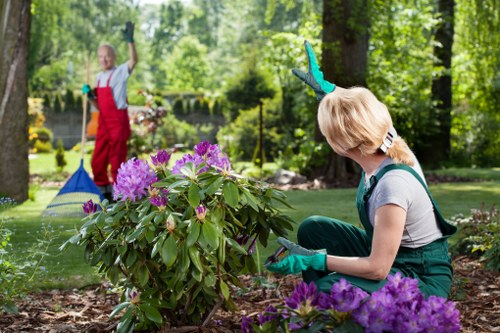
Soft landscaping covers all the living and natural elements of an outdoor area. That includes planting, lawns, hedges, soil preparation, mulch, borders, seasonal colour, and the finishing touches that make a garden or exterior feel complete. In Islington, that often means creating structure in spaces that are compact, busy, or heavily used. The aim is to make the area look better and function better at the same time.
Soft landscaping in Islington is especially valuable because many local properties have limited outdoor square footage. A small back garden can still feel welcoming if it is planted thoughtfully. A shaded courtyard can still look lush if the right shrubs and groundcover are chosen. A commercial entrance can become more inviting with planters, resilient planting schemes, and tidy edging that keeps the frontage professional.
Unlike hard landscaping, which focuses on paving, steps, walls, and structural features, soft landscaping brings life and softness to a property. It can balance out stone, brick, fencing, and decking by adding texture and colour. It also changes over time in a positive way, giving the space seasonal interest and a more natural feel. For many Islington customers, that is exactly what makes the area more enjoyable to use day to day.
Why local customers choose soft landscaping services

People looking for soft landscaping services in Islington usually want more than a quick tidy-up. They want a result that feels tailored, reliable, and appropriate for local conditions. That includes everything from the amount of sunlight a garden receives to how exposed it is to wind, pollution, or heavy foot traffic. A local service can assess these conditions in a way that suits real properties across the borough.
For homeowners, the most common goals are often easier maintenance, better privacy, and a more attractive garden for family use or entertaining. For landlords and managing agents, the priorities may be durability, tidy presentation, and keeping shared spaces manageable. For business owners, the focus may be on creating a clean, welcoming exterior that reflects the quality of the premises. Soft landscaping can support all of these aims when it is planned well.
There is also the simple benefit of convenience. A local team working in Islington understands the practical issues that come with central and inner-London settings. Access, loading, timing, and waste removal all need to be considered before the work starts. When those details are handled properly, the job runs more smoothly and the finished space looks more polished.
Typical soft landscaping services we can help with
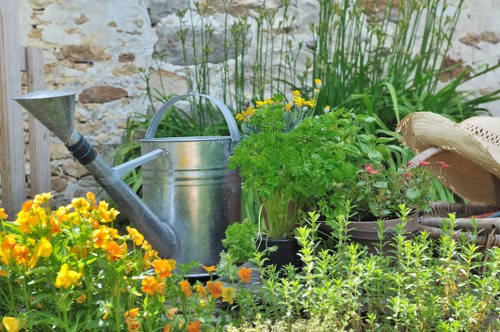
Every property is different, but most soft landscaping projects in Islington involve a combination of design choices, planting, and preparation work. The exact scope depends on the condition of the space and what you want it to do. Some customers want a full refresh. Others need targeted improvements to specific problem areas.
Common soft landscaping services include:
- Planting schemes for borders, beds, raised planters, and containers
- Turfing and lawn replacement for front and rear gardens
- Soil improvement to support healthier plants and better growth
- Hedge planting and shaping for privacy and structure
- Mulching to retain moisture and improve appearance
- Seasonal planting to add colour and keep the space looking cared for
- Shade-tolerant planting for courtyards, side returns, and north-facing gardens
- Container and planter installation for terraces, balconies, and small paved spaces
In many cases, the best results come from combining several of these elements. For example, a small garden in Barnsbury might benefit from fresh lawn, low-maintenance planting, and improved borders. A commercial property in Angel might need tidy planters, evergreen structure, and reliable seasonal colour. The right mix depends on your goals, the level of upkeep you want, and the conditions in the space.
How the service usually works
Most customers want a process that is clear, straightforward, and efficient. Soft landscaping is often a collaborative job, because the best outcome depends on understanding how you use the space. A good local service should start by listening to what you want, then inspecting the area to see what is realistic and what will perform well over time.
Step 1: Initial assessment
The first visit is usually used to look at the site, take measurements, identify access issues, and discuss the overall goals. At this stage, it is helpful to talk about sunlight, soil quality, drainage, privacy, pet use, children’s play, and how much maintenance you are happy to do. In Islington, it is also important to consider where materials can be delivered and whether there are restrictions around parking or shared access.
Step 2: Planning the planting and layout
Once the space has been assessed, the next step is to plan what will go where. This could include permanent planting, a lawn area, decorative borders, climbers for vertical interest, or container planting for a more flexible design. Good planning makes sure the finished space feels balanced and not overcrowded. It also helps choose plants that are suitable for the site rather than simply attractive in theory.
Step 3: Preparation and installation
Preparation may include clearing debris, improving the soil, removing tired growth, shaping beds, levelling areas for turf, and installing planters or edging as needed. Then comes the planting or turfing itself. A tidy, careful installation makes a major difference to the appearance and longer-term success of the project. It also means the space starts from a strong foundation.
Step 4: Finishing touches and advice
Once the main work is complete, the final details matter. That might involve mulching, watering in new planting, checking spacing, and making sure everything is neat and ready to settle in. Many customers also appreciate simple care advice so they know how to look after the new soft landscaping in the weeks and months after completion.
Soft landscaping for different Islington property types
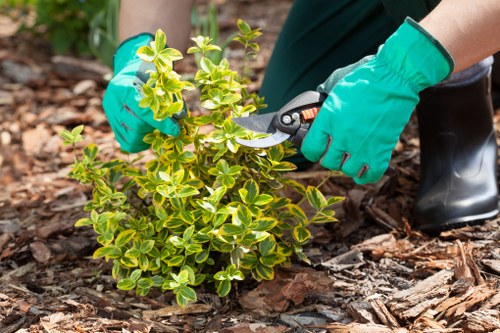
Islington has a wide mix of properties, and each one creates a slightly different challenge. A successful planting scheme should suit the character of the building and the way the outdoor area is used. What works for a family garden in Highbury may not be the best solution for a shared courtyard in Clerkenwell or a terrace near Upper Street.
Townhouses and period homes
Many period properties benefit from a balanced, structured approach. Mature-feeling planting, layered borders, and well-chosen hedging can suit the architectural style without looking too formal. In some cases, the goal is to soften brickwork and create a sense of privacy while still keeping the space open and usable. Careful plant selection is important in older gardens where light levels and soil conditions may vary across the site.
Flats, terraces, and compact outdoor spaces
Smaller Islington gardens often need a more efficient use of space. This is where container planting, vertical planting, and narrow borders can be especially useful. Even a modest courtyard can feel much more inviting with the right structure. The key is to avoid overcrowding and choose plants that suit the scale of the space. For many compact settings, evergreen plants and low-maintenance combinations are the most practical option.
Commercial and shared spaces
Businesses, offices, hospitality venues, and managed developments often need soft landscaping that stays tidy and presents well with minimal fuss. Durable planting, planters, and easy-access maintenance arrangements are often more suitable than delicate schemes that require frequent intervention. Shared spaces also need designs that can handle regular use while still looking attractive to visitors, residents, and staff.
Why plant choice matters so much in Islington

The right plant choice can transform an outdoor area, but the wrong choice can create constant frustration. In Islington, that matters because many gardens and courtyards are affected by shade from neighbouring buildings, restricted airflow, or pockets of intense sun. Some spaces are also exposed to dry conditions, reflected heat, or limited soil depth. Planting should be chosen with those realities in mind.
Good soft landscaping takes into account:
- Sun exposure and shade patterns through the day
- Soil condition and whether improvement is needed
- Drainage and how the space behaves after heavy rain
- Maintenance level and how much care the owner wants to provide
- Privacy needs from neighbouring properties or passers-by
- Seasonal interest so the space looks good for more of the year
Choosing the right mix often means combining evergreen structure with flowering plants, grasses, climbers, or groundcover. In a shaded courtyard, for example, ferns, shade-tolerant shrubs, and textured foliage may work better than sun-loving species. In a bright front garden, you might want a mix of low hedging, neat borders, and plants that bring colour without creating clutter.
What is included in a soft landscaping project
Customers often ask what they can expect when booking soft landscaping. The answer depends on the project, but a well-run service should cover the practical work needed to deliver a clean, healthy, finished result. It should also be clear about what is included before any work starts, so there are no surprises later on.
Typical inclusions may cover:
Site preparation: clearing old planting, removing unwanted growth, improving borders, and preparing the ground for new work.
Planting installation: positioning plants, shrubs, hedges, climbers, flowers, or groundcover according to the agreed design.
Lawn work: laying new turf, repairing damaged areas, or helping establish a healthier lawn base.
Edging and definition: creating clean lines between planting zones, paths, and lawn areas for a more finished appearance.
Mulching and top dressing: helping retain moisture, improve soil appearance, and reduce weed growth.
Waste clearance: tidying away materials and leaving the space presentable once the work is done.
Some projects also include help with container design, replacement planting, or practical advice for ongoing care. This can be especially helpful if you want a beautiful space without spending every weekend maintaining it. For many local customers, that balance between appearance and convenience is the main goal.
Helpful detail for busy households and businesses
If your property is occupied while the work is taking place, the service should be organised to minimise disruption. That means agreeing access arrangements, keeping the site tidy, and planning the work in a way that respects neighbours, staff, or residents. In a densely populated area like Islington, that approach matters just as much as the planting itself.
Preparation checklist before your soft landscaping work begins
Preparing properly can help the project run more smoothly and avoid delays. You do not need to do everything yourself, but a few simple steps can make a real difference, especially in busy or shared locations.
- Decide what you want the space to do — relaxation, entertaining, privacy, play, presentation, or low-maintenance use.
- Think about who uses the area — children, pets, tenants, staff, visitors, or residents.
- Check access points — gates, side passages, communal entrances, or delivery routes.
- Consider parking and loading — important in streets where space is limited.
- Identify problem areas — shade, standing water, dry corners, compacted soil, or tired planting.
- Remove personal items — furniture, toys, bins, or fragile ornaments if needed.
- Discuss maintenance expectations — so the planting style matches the time you want to spend on upkeep.
It is also worth thinking about the wider look of the property. For example, a neat planting scheme near the entrance can help a home feel more welcoming, while a layered rear garden can create a more private and calming space. A local team can help you decide where to invest the most effort for the biggest visual impact.
Pricing factors for soft landscaping in Islington
People often want to know what affects the cost of a soft landscaping project. Exact prices depend on the site, the size of the job, and the materials or planting chosen. Because every garden or frontage is different, a proper quote should be based on the specific work required rather than a rough one-size-fits-all figure.
The main factors usually include:
- Size of the area and how much planting or turf is involved
- Condition of the existing space and how much preparation is needed
- Plant choices such as mature shrubs, seasonal bedding, or specialist plants
- Access challenges including narrow entrances, stairs, or distance from parking
- Soil improvement and drainage requirements
- Removal of old materials and general clearance needs
- Level of design detail including edging, layering, and container work
In Islington, access can play a bigger role than many people expect. A small garden that is easy to reach may be straightforward, while a similar-sized space with awkward stairs, shared entry points, or no convenient loading area may take more time to complete. Being transparent about these realities helps create a quote that reflects the actual work involved.
Why a local Islington company can be the better choice
There is real value in working with a local team that understands the area. Islington’s mix of housing styles, busy roads, limited parking, and closely set buildings means outdoor work often needs extra coordination. A local company is more likely to be familiar with how to plan around those issues and deliver work with less disruption.
Another advantage is knowledge of what tends to work well in the borough. That includes plant choices for shaded courtyards, compact front gardens, roof terraces, shared communal spaces, and business premises that need year-round presentation. Soft landscaping is not just about appearance at the end of the day; it is about whether the planting will continue to thrive in the actual conditions of the site.
Local service is also helpful when you want practical communication. If you are arranging work for a home, a block of flats, or a business premises, it is reassuring to know the team understands the area and can organise around local access realities. That can make the whole process more efficient from quote to completion.
Areas covered across Islington and nearby parts of North London
Soft landscaping work is commonly requested across the borough and in nearby neighbourhoods where homes and businesses want their outdoor spaces improved. Areas often include central Islington locations as well as surrounding districts with similar property types and access considerations.
- Angel
- Archway
- Barnsbury
- Canonbury
- Clerkenwell
- Finsbury Park
- Highbury
- Holloway
- King’s Cross
- Newington Green
- Tufnell Park
- Upper Street area
If your property is just outside the immediate borough boundary, it may still be worth asking whether the work can be covered. Many local teams regularly work across nearby North London locations where similar outdoor challenges appear.
Frequently asked questions
Can soft landscaping work in a very small Islington garden?
Yes. Small spaces often benefit most from thoughtful planting, vertical interest, and careful layout. The key is not to overcrowd the area. A compact garden can feel much bigger and more useful with the right design choices.
What if my garden is mostly shade?
Shaded spaces can still look excellent. The plant selection simply needs to suit the conditions. Shade-tolerant shrubs, foliage plants, climbers, and textured groundcover can all work well where direct sunlight is limited.
Do I need to clear my garden before the work starts?
Not always, but it helps to remove personal items where possible. If you are unsure, ask what needs to be moved and what can stay in place. In shared or busy properties, a clear plan for access is especially useful.
Can soft landscaping be done for commercial properties?
Absolutely. Many businesses, offices, and managed developments in Islington benefit from tidy planting that improves first impressions and keeps entrances looking cared for. Durable, easy-to-maintain planting is often the best approach.
How much maintenance will new planting need?
That depends on the plants selected and the conditions of the site. Some schemes are designed to be low maintenance, while others may need more regular care at the beginning. A good local team should explain what ongoing upkeep will be needed.
Can you help choose plants for privacy?
Yes. Privacy planting is a common request in Islington because many properties are overlooked. Evergreen shrubs, hedging, tall grasses, and climbers can all help create a more private feel without building a solid barrier.
Is soft landscaping suitable for rental properties?
Yes, and it is often a smart investment. Landlords and managing agents may want attractive but manageable planting that keeps the property looking presentable and reduces the risk of neglected outdoor areas.
Benefits of booking soft landscaping locally
When you choose soft landscaping in Islington from a local provider, you are choosing a service that can respond to the realities of the area. That can mean better scheduling, more suitable plant choices, and a finished space that feels genuinely right for the property rather than generic or overdesigned.
The main benefits include:
- Better fit for local conditions such as shade, exposure, and limited access
- More practical planning for homes, shared spaces, and businesses
- Improved kerb appeal for front gardens and entrances
- More usable outdoor space for relaxing, entertaining, or working
- Planting that suits your maintenance preference
- Efficient coordination around loading, parking, and site access
If your outdoor area feels tired, underused, or difficult to manage, a well-planned planting project can be the simplest way to change how the space feels. Even modest improvements can make a home more enjoyable or a business front more professional. Request a free quote to discuss what could be done in your space and which options would suit your needs best.
Ready to improve your outdoor space?
Whether you need a complete planting refresh, help with a small courtyard, or a tidy and resilient scheme for a commercial frontage, soft landscaping can make a big difference. If you are planning work in Islington and want a local service that understands the area, the access issues, and the style of properties involved, contact us today to talk through your ideas. Book your service now and take the first step towards a greener, more welcoming outdoor space.